Slab leak repair starts with finding exactly where the pipe under your concrete floor is leaking. Once the spot is known, the plumber either opens the slab at that point to fix the pipe or reroutes the water line around it. Both are sound repairs, and the right one depends on the leak, the pipe and the layout of the house.
This guide explains how to recognize a slab leak, how to check for one with your water meter, how plumbers locate a leak without breaking up the floor, and how the repair options compare. It also covers what to do while you wait for help.
What a slab leak is
Many homes in Meridian and across the Treasure Valley are built on a concrete slab foundation rather than over a crawl space or basement. In those homes, some water supply lines and drain lines run beneath or within the concrete. A slab leak is any leak in one of those buried pipes.
Most slab leaks that homeowners notice are on the pressurized supply side, the lines that carry fresh hot and cold water to fixtures. Because those lines are always under pressure, a pinhole or cracked fitting leaks around the clock, whether or not anyone is using water. Drain lines under a slab can leak too, but they only carry water when fixtures drain, so the signs tend to be slower and different, such as odors or damp spots near a bathroom.
Hot water lines are a frequent source. They expand and contract every time hot water runs, which works joints and fittings over the years, and a hot water leak is the one that produces the classic warm spot on the floor.
Signs of a slab leak
Slab leaks are hard to spot because the water often soaks into the soil below the house instead of rising to the surface. The clues tend to be indirect:
- A patch of floor that feels warm underfoot, often a sign of a hot water line leaking
- A water bill that climbs while your habits stay the same
- The sound of running or hissing water when every fixture is off
- Cracks, lifting or loose tiles in hard flooring, or cupping in wood floors
- Damp carpet, swollen baseboards or a musty smell near floor level
- A water heater that seems to run far more often than it used to
- Lower water pressure at fixtures than you are used to
- Mold or mildew appearing at the base of walls
Any one of these can have another cause. Two or more together, especially a warm spot plus a rising bill, are a strong reason to test for a leak.
How to check for a hidden leak with your water meter
You can run a first check yourself before calling anyone. It takes about an hour, most of it waiting.
- Turn off every faucet, shower and appliance that uses water, including the dishwasher, washing machine, ice maker and any water softener cycle.
- Make sure no irrigation is running on your household water. Many Meridian subdivisions water lawns from a separate pressurized irrigation system, but homes that irrigate from the domestic supply need those zones off.
- Find the water meter, usually in a box near the street, and lift the lid carefully.
- Note the reading, or look for the small triangle or dial called the leak indicator.
- Wait at least 30 minutes without using any water, then check again.
If the reading changed or the leak indicator moved, water is going somewhere. The next step is to rule out the obvious sources. A running toilet is the most common one, and a few drops of food coloring in the tank will show up in the bowl within minutes if the flapper leaks. If no toilet, faucet or outdoor spigot explains the movement, the leak may be hidden in a wall, under a floor or in the slab.
The scale of hidden leaks surprises most people. EPA WaterSense reports that the average household’s leaks can account for more than 9,300 gallons of water wasted every year, and that nine percent of homes have leaks that waste 50 gallons or more per day. A pressurized line leaking under concrete can fall into that second group without a single visible drip.
Why slab leaks happen in Treasure Valley homes
Several forces act on pipes under a slab, and most of them work slowly.
Abrasion. A pipe that rests against gravel, rough fill or the concrete itself rubs every time it expands and contracts. Over years, that movement can wear a hole through the pipe wall.
Soil movement. Settling, moisture changes and freeze-thaw cycles near the edges of a slab shift the soil and put stress on buried lines and fittings.
Construction damage. A pipe nicked, kinked or poorly supported during construction may hold for years before it fails. That is one reason newer homes are not immune.
Water chemistry. Minerals and the chemistry of the water itself can act on pipe and fittings over time. Meridian’s water is hard. The City of Meridian’s 2025 water quality data puts the system average at 9.19 grains per gallon of hardness, with individual pressure zones ranging from 6.97 to 10.53. Hardness alone does not cause a slab leak, but it is one of several factors acting on a buried line for decades.
Water pressure. High household pressure and water hammer, the bang you hear when a valve closes fast, add stress to every joint in the system.
Much of Meridian’s housing was built in the last few decades, so many homes have PEX or copper supply lines rather than galvanized steel. Newer pipe tends to fail at fittings and at points of damage rather than along its whole length, which is good news for repair options. Homes in Eagle and the newer parts of the valley share the same pattern.
How plumbers find a leak under concrete
Breaking up a floor to hunt for a leak is the last thing anyone wants, so pipe leak detection comes first. A plumber typically combines several methods:
Isolation and pressure testing. The plumber shuts off sections of the system, such as the hot side and the cold side, and watches whether pressure holds. A line that loses pressure while the others hold is the one leaking. This confirms the leak is real and narrows it to a specific line.
Acoustic detection. Pressurized water escaping from a pipe makes a distinct sound. Sensitive ground microphones pick it up through concrete and flooring, and the sound is loudest closest to the leak. The plumber moves the sensor across the floor to find that point.
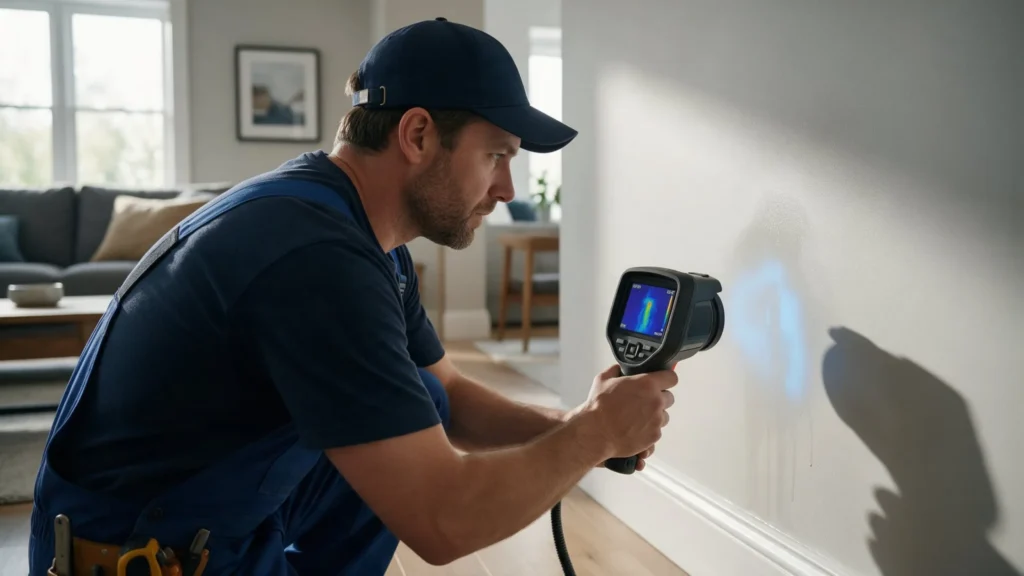
Thermal imaging. An infrared camera shows temperature differences on the floor surface. A hot water leak spreads a warm pattern through the slab that stands out clearly on screen.
Line tracing. Electronic locators can trace where a pipe actually runs under the slab, which is not always where you would expect. Knowing the path helps confirm the leak location and plan the repair.
Used together, these tools can usually narrow the search to a small area before any concrete is cut. Ask the plumber to show you how they confirmed the location.
Repair options: direct access, reroute or repipe
Once the leak is located, there are three main paths.
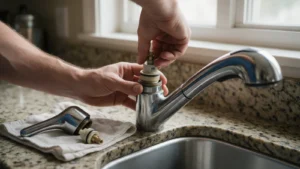
Direct access repair. The plumber cuts an access hole in the slab at the leak, repairs or replaces the damaged section of pipe, tests it, and patches the concrete. In some homes, a tunnel dug from outside under the foundation reaches the pipe without cutting the floor. Direct access keeps the original pipe layout and makes sense when the leak is isolated, the rest of the line is in good shape, and the spot is not under cabinets or expensive flooring.
Reroute. The plumber abandons the leaking section under the slab and runs a new line through walls, ceilings or the attic to reach the same fixtures. A reroute avoids breaking concrete and takes the old under-slab pipe out of service for good, so that line cannot leak again. It is worth considering when the line has leaked before, when the leak sits under cabinetry or tile, or when the pipe runs a long way under the floor. The tradeoff is opening some drywall along the new route.
Repipe. When leaks keep appearing in different places, or the pipe material is failing throughout, replacing the supply lines for the whole house or a large section may be more sensible than repairing leaks one at a time.
These factors usually decide between them:
- How old the pipe is and whether it has leaked before
- What flooring and cabinetry sit above the leak
- How far the line runs under the slab
- Whether a reroute path through walls or the attic is practical
- How long you plan to stay in the home
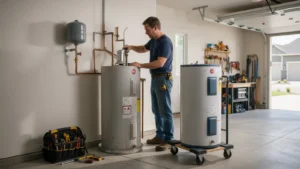
If a hot water line is involved, it is also worth having the water heater checked. A heater that has been running constantly to feed a leak has worked much harder than usual, and our guide to water heater replacement cost factors can help if it turns out to be near the end of its life.
What affects slab leak repair cost
Every slab leak is different, so a plumber gives the actual quote after the leak is located. These are the factors that move it:
- Detection work, including how long it takes to isolate and pinpoint the leak
- Repair method, whether direct access, tunneling, reroute or repipe
- Location of the leak, since a spot under tile, hardwood or cabinets takes more care than one under carpet in an open room
- Length of new pipe needed for a reroute or repipe
- Drywall and access openings needed along a reroute path
- Concrete work to cut and patch the slab
- Permits and inspections, where required
Ask what the quote includes, especially whether patching concrete or drywall openings is part of the plumbing work. Flooring replacement and drying out wet materials are separate trades and are not part of this service.
What to do while you wait
A slab leak is rarely a flood, but every hour adds water under the house. While you wait for a plumber:
- Close the main water shut-off if you can see water or the meter is spinning fast.
- Close the cold supply valve on the water heater if you suspect a hot water line. That stops the heater from refilling the hot side and slows the leak.
- Move rugs, furniture and stored items off damp areas.
- Take photos and notes of warm spots, damp areas, cracks and your recent water bills.
- Call your insurer to ask how they handle slab leaks, since coverage for the leak, the access work and the resulting damage often differs.
Turning the main back on briefly for necessities is fine if you need to, but keep it off overnight.
Preventing the next slab leak
You cannot see pipes under a slab, but you can reduce the stress on them and catch problems earlier.
- Check your water pressure. An inexpensive gauge on an outdoor spigot shows the household pressure. If it runs high, ask a plumber about the pressure reducing valve.
- Deal with water hammer. Banging pipes signal pressure spikes that strain fittings. Arrestors near fast-closing valves, such as on washing machines, can help.
- Read your meter now and then. A monthly reading with everything off takes a minute and catches leaks months earlier than a bill does.
- Consider leak sensors. Small battery sensors near water heaters and under sinks alert you to water on the floor, and some whole-house monitors flag unusual flow.
- Act on warm spots. A floor that feels warm where it never used to is worth testing right away.
Slab leak FAQ
Does a slab leak mean the whole house needs repiping?
No. A single leak in otherwise sound pipe is often repaired on its own. A larger reroute or a repipe becomes the conversation when leaks keep appearing in the same system.
Can a slab leak damage my foundation?
Water leaking under a slab for a long time can wash out or soften the soil beneath it, which is one reason not to put off detection. A plumber deals with the pipe. Questions about the foundation itself are for a foundation specialist.
Will the leak stop if I turn the water off?
A supply line leak stops while the main valve is closed, because the line is no longer pressurized. It starts again as soon as the water is turned back on, so shutting off the water buys time but is not a repair.
Next steps for a suspected slab leak
The sequence that protects your home is consistent: confirm the leak with the meter, have it located precisely, then choose between repairing it in place and routing around it. Each step narrows what has to be opened up, which is the whole point of finding the leak first.
Slab leaks are not only a Meridian problem. Call a plumber in Caldwell and the same meter test comes first for homes in Boise, Garden City and Star.
If you notice the signs of a slab leak in Meridian or elsewhere in the Treasure Valley, call (208) 802-8323 to schedule leak detection, or read more about pipe leak detection and slab leak repair. You will be connected with a local plumber who can locate the leak and explain your slab leak repair options.