
Best Repiping Services
Repiping
One call to get started
Call (208) 802-8323 to book a visit
Galvanized and polybutylene
Common in older Caldwell homes
PEX or copper
Chosen for your home and water
Diagnosis before repairs
You hear what was found and the options first
Signs your home needs repiping
- Low water pressure throughout the house
- Rusty or discolored water from the taps
- Repeated pinhole leaks or pipe repairs
- Galvanized steel or polybutylene supply lines
What repiping services cover
- Whole-house and partial repiping
- Galvanized and polybutylene pipe replacement
- New PEX or copper water lines
- New shut-off valves and fixture connections
PLUMBING IN CALDWELL
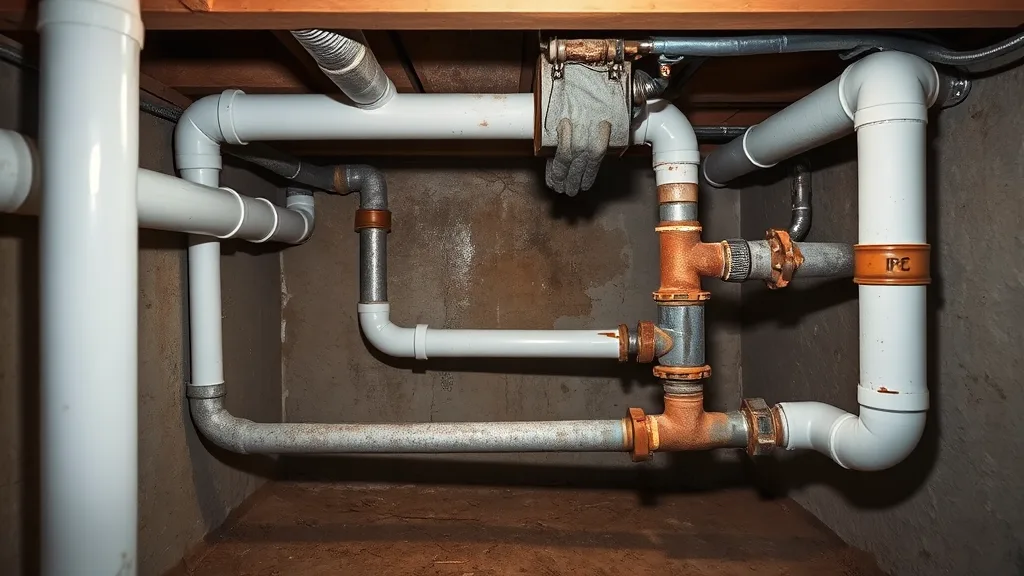
Galvanized pipe in older Caldwell homes
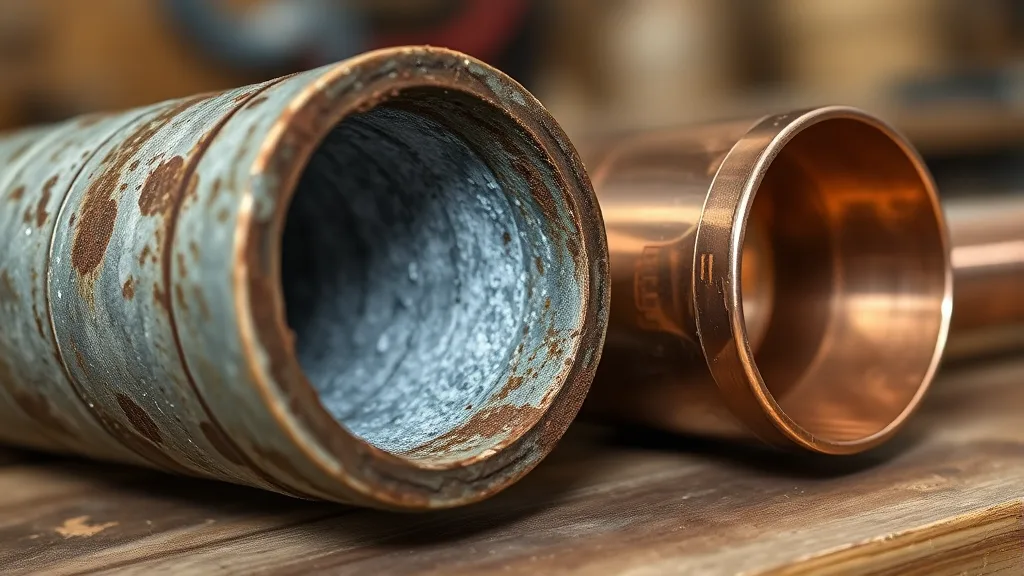
Many homes built before about 1970 in Caldwell, especially near downtown and the College of Idaho, still have galvanized steel water lines. Galvanized pipe was coated with zinc to slow rust, but after decades the coating wears through. Rust and hard-water scale build up inside until the opening narrows, which shows up as weak water pressure, rusty or discolored water after the tap sits, and pinhole leaks that keep coming back. Caldwell’s moderately hard well water speeds up that buildup.
Once galvanized pipe starts leaking in more than one place, patching one spot at a time rarely holds. Replacing the supply lines solves the low pressure, rust and leak problems together, and it removes the risk of a corroded fitting failing behind a wall, where a slow leak can cause water damage and even structural damage before any homeowner notices it.
PLUMBING IN CALDWELL
PEX or copper: choosing new water lines
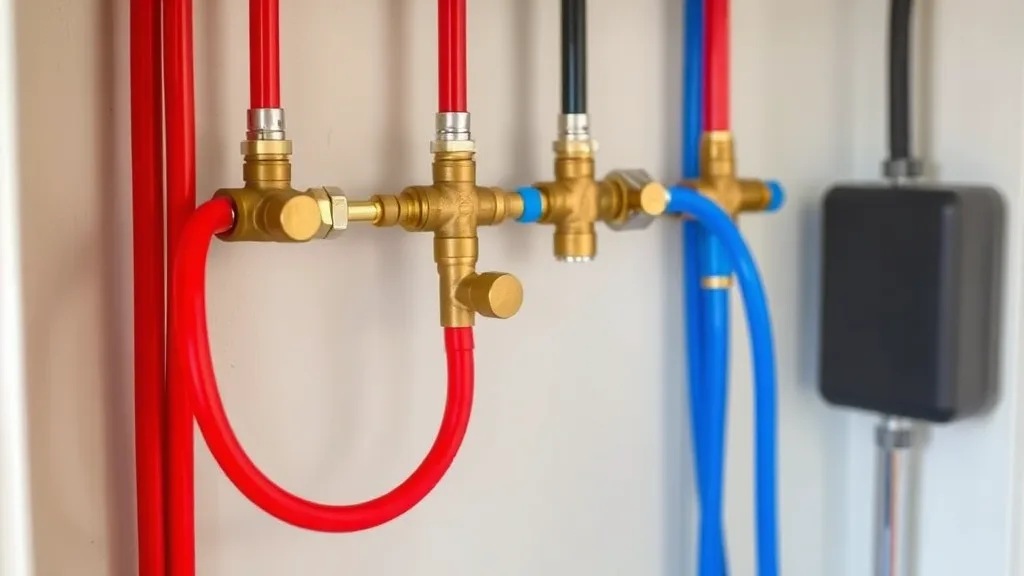
Most repiping in the Treasure Valley today uses PEX, a flexible cross-linked polyethylene tubing. It resists scale from hard water, handles freezing better than rigid pipe, and can be pulled through walls and ceilings with fewer openings, which keeps the job shorter and the cleanup smaller. Copper pipe is still a good choice for exposed pipes in a basement or utility room, and some homeowners simply prefer it. Lines in crawl spaces and outside walls are insulated during installation so winter freezes are less of a risk.
A PEX manifold with a separate shut-off for each fixture makes future repairs simpler, because one line can be closed without shutting off the whole house. Either way, the new water lines are sized for your fixtures so pressure stays even at every fixture, from the kitchen faucet to the water heater, when two showers and the washing machine run at once.
PLUMBING IN CALDWELL
Partial repipe or whole-house repiping
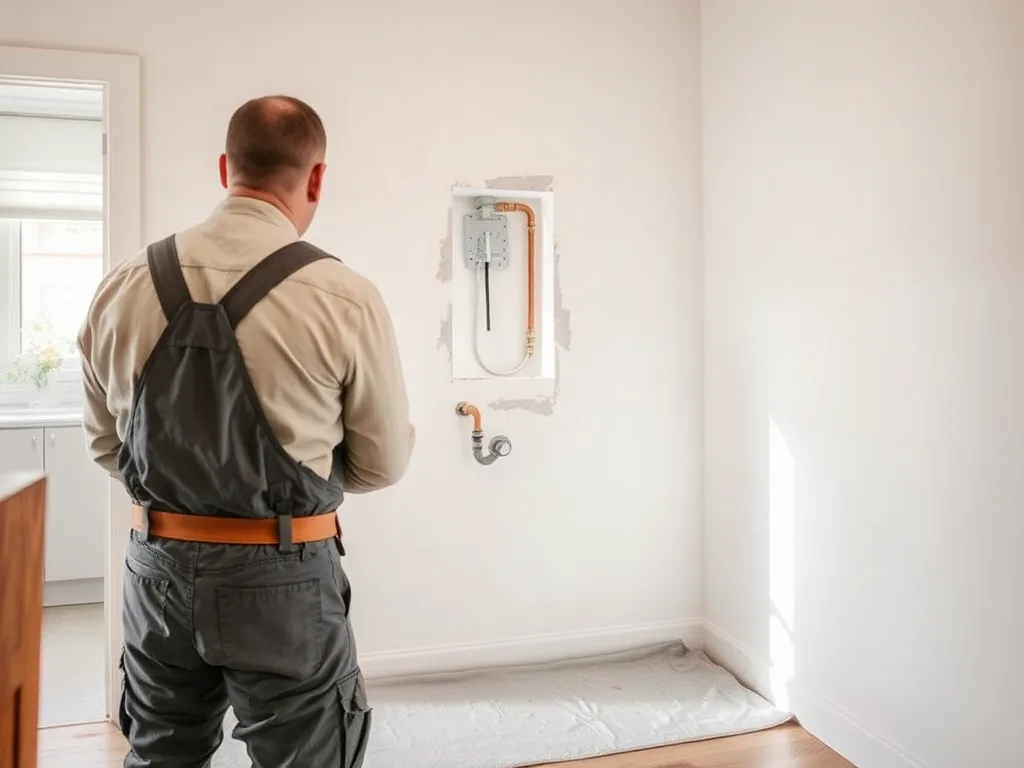
Not every home needs a full repipe. If the problem is limited to one run, such as a corroded line to the kitchen or a leaking section in the crawl space, a partial repipe replaces only that part. If the house has galvanized or polybutylene pipe throughout, or leaks are showing up in different rooms, whole-house repiping is usually better value than repeated plumbing repairs. Repiping is also a good time to plan for a kitchen or bathroom remodel, because new lines can be routed to where the new fixtures will go.
The water service line from the meter to the house is checked too, because a failing service line can cause the same low water pressure as old pipe inside. We explain what we found, which option fits the house, and how the work will be staged before anything is opened up.
HOW IT WORKS
How repiping works, step by step
Step 1: Check the pipe material
We confirm whether the lines are galvanized, polybutylene, copper or a mix, and test the water pressure at several fixtures.
Step 2: Plan the new layout
Routes run through crawl spaces, attics and existing chases where possible, to keep wall openings small.
Step 3: Replace the supply lines
New PEX or copper lines are run to each fixture, the water heater and the main shut-off valve.
Step 4: Pressure test and reconnect
The new system is pressure tested, fixtures are reconnected and checked, and the water is turned back on.
When to call right away about pipe problems
- A pipe that has burst or split
- Water leaking through a ceiling or wall
- A sudden drop in pressure with rusty water
- Several leaks appearing at once
If a pipe bursts or splits, turn off the water at the main shut-off valve first, then call. A major leak from old galvanized pipe is an emergency plumbing problem, so get it repaired first and plan the repipe after.
Hard water and aging supply lines
Caldwell’s groundwater carries enough calcium and magnesium to leave scale inside pipes, water heaters and valves. In copper and PEX that mineral buildup mostly collects at fixtures and aerators, but in old galvanized pipe the high mineral content bonds to the rust and steadily closes the pipe. That is why homes on the same street can have very different water pressure depending on the age of their plumbing.
Repiping removes that restriction for good. It is most common in older homes in Caldwell, Nampa and Boise, where galvanized supply lines are still in place, and in 1980s homes with gray polybutylene pipe.
If you are comparing Caldwell plumbers for a repipe, ask how the new lines will be routed, which pipe is recommended and why, and whether the plan covers the water heater connections and outdoor hose bibs. As a plumber in Caldwell serving homeowners from Caldwell to Nampa and Boise, we walk through each of those before any plumbing work starts, so the whole plumbing system is planned together rather than one leak at a time.
FAQ
Questions about repiping
Low water pressure at several fixtures, rusty or discolored water, and repeated leaks on galvanized or polybutylene pipe are the clearest signs. A plumber can confirm the pipe material and its condition before you decide.
PEX resists hard-water scale, tolerates freezing better and needs fewer wall openings, so it is the most common choice. Copper is durable and works well where pipe runs exposed. Both meet Idaho plumbing code when installed correctly.
It depends on the size of the home, the number of fixtures and how the new lines can be routed. A partial repipe is a much smaller job than whole-house repiping. You get the plan and schedule before work starts.
Usually, yes. The water is off only while lines are being connected, and the work is staged so you have running water at the end of each day where possible.
Yes. Gray polybutylene supply pipe, common in homes built in the 1980s and early 1990s, tends to fail at the fittings and is a good candidate for replacement.
If the cause is galvanized pipe narrowed by rust and scale, yes. Low pressure can also come from a failing pressure-reducing valve or the water service line, so those are checked first so the repair targets the real cause.
Yes. A plumbing repair fixes one leak or one fitting, while repiping replaces the supply lines themselves. If leak detection keeps finding new leaks on the same old pipe, repiping usually ends the cycle of plumbing issues.
Clear a path to the water heater, the main shut-off valve and any crawl space or attic access, and move stored items away from walls behind sinks and toilets. That makes the plumbing work faster and cleaner.
Most repiping work in Idaho requires a plumbing permit. Ask about the permit when you call so it is part of the plan from the start.